Table of contents
Dive into the dynamic world of Tokyo-inspired streetwear and discover how this vibrant subculture has left an indelible mark on global fashion trends. Uncover the elements that set Tokyo’s urban style apart and how its influence extends far beyond the city’s neon-lit streets. Explore the evolution, impact, and future potential of this trend as the following paragraphs guide you through every fascinating detail.
The roots of Tokyo streetwear
Tokyo streetwear history can be traced back to the postwar era, where Japanese urban fashion began to take shape in the bustling districts of Tokyo such as Harajuku and Shibuya. The convergence of American and European influences with domestic styles led to a unique process of cultural diffusion, as local designers and youth appropriated and reinterpreted global trends. Throughout the 1980s and 1990s, Japanese youth fashion Tokyo became synonymous with bold innovation, often blending traditional Japanese garments like kimono fabrics with western silhouettes, and incorporating pop culture references, music, and street art. This dynamic blend fostered the streetwear evolution, with brands such as A Bathing Ape and Undercover emerging as pioneers, pushing boundaries in both design and self-expression.
The streetwear origins in Tokyo are deeply intertwined with social movements and the rebellious spirit of the city's young people, who used fashion as a vehicle for individuality and collective identity. As streetwear culture developed, it mirrored shifts in society, from economic booms to subcultural resistance against mainstream norms. Today, the worldwide popularity of Tokyo-inspired streetwear is a testament to its enduring impact, with its influence extending far beyond Japan's borders. For those seeking an in-depth description of its progression and contemporary relevance, description provides resources and insights into the brands, trends, and historical context that have defined this iconic style.
Key style elements and motifs
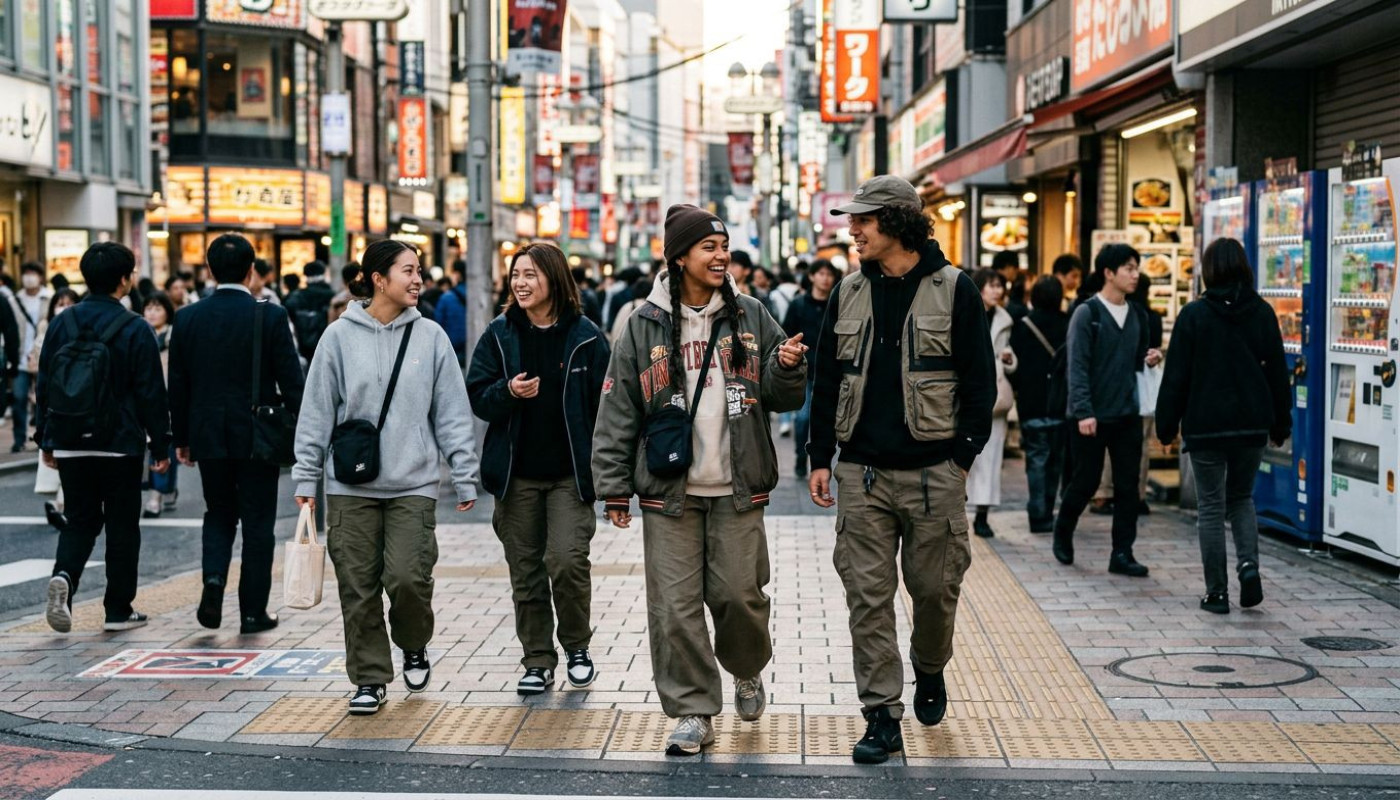
Tokyo streetwear style is recognized globally for its dynamic visual lexicon that blends traditional influences with boundary-pushing innovation. Central to this aesthetic are Japanese fashion motifs such as bold kanji characters, cherry blossom patterns, and references to manga or anime iconography, all of which carry deep-rooted cultural symbolism and reflect the narrative-driven nature of contemporary streetwear. These motifs are often combined with avant-garde fabrics like distressed denim, high-tech synthetics, and layered cotton, resulting in tactile contrasts that mirror the chaotic energy of Tokyo’s urban landscape. Silhouettes tend to favor oversized shapes, exaggerated layering, and asymmetrical cuts, each serving as a nod to both comfort and self-expression, while accessories like statement sneakers, utility belts, and bucket hats round out the look, offering both function and flair.
Urban clothing trends originating from Tokyo also demonstrate a unique interplay between past and present, as fashion symbolism draws on tradition while remaining distinctly modern. For example, the incorporation of samurai-inspired detailing or workwear elements echoes Japanese heritage, yet is reimagined through a contemporary lens by respected fashion designers specializing in Japanese street fashion. These creatives carefully curate and evolve the visual lexicon of Tokyo-inspired streetwear, ensuring that each piece resonates with authenticity and relevance. The result is a globally influential movement that continues to redefine identity, self-expression, and the future trajectory of street style.
International influence and adaptation
Tokyo fashion influence has become a dynamic force shaping global streetwear trends, with its unique blend of avant-garde aesthetics and subcultural references resonating far beyond Japan. International streetwear scenes in cities like New York, London, and Seoul have eagerly absorbed Japanese style abroad, leading to an ever-evolving dialogue of inspiration. The process of glocalization plays a significant role, as designers and brands reinterpret Tokyo streetwear motifs—such as oversized silhouettes, bold graphics, and layered looks—while integrating their own cultural touchstones and local sensibilities. Collaborations between Japanese labels and international brands further accelerate this exchange, resulting in limited-edition releases that fuse the distinct creativity of Tokyo with the heritage and attitude of other urban centers. According to a leading global fashion trend analyst, this cross-cultural fashion synergy has enabled both established and emerging designers to stay at the forefront of innovation, ensuring that Tokyo’s street-inspired vision remains a driving influence within the worldwide style landscape.
Subcultural impact and identity
Tokyo-inspired streetwear serves as a vibrant canvas for subcultural identity, with enthusiasts using clothing to signal both individuality and shared values within youth fashion movements. Drawing from the roots of Japanese street style, wearers employ garments, accessories, and layering techniques not only to showcase personal taste but also to align themselves with specific streetwear subculture groups. Through the lens of symbolic interactionism, fashion choices become deeply social acts—each item worn is rich with meaning, communicating status, creativity, and allegiance to a broader Tokyo fashion identity. Urban self-expression thrives in this context, as individuals transform the city streets into spaces for performative identity, blending global influences with uniquely Japanese aesthetics.
This dynamic fosters a robust sense of belonging among participants, uniting people across diverse backgrounds through a shared appreciation for experimental design, rare releases, and the narratives embedded within each look. The global appeal of Japanese street style has elevated group affiliations beyond Tokyo, creating international communities bound by mutual recognition and admiration for youth-driven innovation. By adopting and remixing elements from Tokyo fashion identity, adherents forge powerful connections, turning everyday apparel into a means of asserting presence and cultivating collective pride within the ever-evolving streetwear subculture.
Future trends and cultural resonance
Future streetwear trends are poised to be significantly shaped by the integration of advanced technologies and growing environmental awareness, particularly within Tokyo-inspired fashion. As digital fabrication, smart textiles, and personalized design experiences gain traction, Japanese style evolution is likely to blend cutting-edge innovation with its signature aesthetics, resulting in sustainable streetwear that appeals to a global audience. Trend forecasting from leading fashion futurists points toward a next generation fashion landscape where upcycled materials, zero-waste production, and biotechnological enhancements become defining characteristics, propelling Tokyo-inspired streetwear beyond conventional boundaries.
The enduring appeal of Japanese fashion aesthetics ensures that Tokyo-inspired streetwear will maintain its cultural resonance, as reinterpretations of traditional motifs and silhouettes merge with contemporary sensibilities. This persistent influence, paired with the increasing demand for sustainability and digital connectivity, suggests that both designers and consumers will continue to look to Tokyo for inspiration. As a result, trend forecasting projects that the narrative of sustainable streetwear and Japanese style evolution will not only inform global perceptions but also drive innovation and inclusivity in the development of future streetwear trends worldwide.
On the same subject